Executive Summary
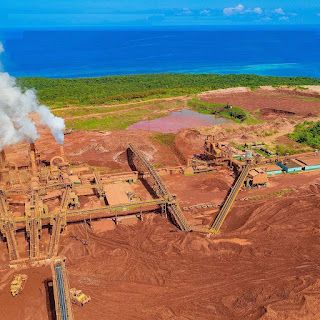
Jamaica’s bauxite and alumina industry, a foundational pillar of the nation’s traditional exports, stands at a critical juncture. Decades of reliance on volatile and expensive imported fossil fuels have systematically eroded its global competitiveness. This report presents an exhaustive feasibility analysis of a transformative national strategy—Project Alumina Verde—designed to not only secure the industry’s long-term viability but to reposition Jamaica as a global hub for alumina refining. The proposal entails a paradigm shift on a national scale: retrofitting and reopening Jamaica’s dormant alumina processing plants to create a refining capacity of 10-12 million tonnes per annum; phasing out domestic bauxite mining to preserve sensitive ecosystems like the Cockpit Country and instead importing higher-grade ore from the Americas and Africa; and powering this expanded industry with a new, resilient 3,300 MW hybrid energy system. This system would be fueled by a blend of green hydrogen produced via wind-powered Solid Oxide Co-electrolysis (SOCE), syngas from clean coal gasification with Carbon Capture, Utilization, and Storage (CCUS), and conventional natural gas.
The strategic imperative for this transition is unequivocal. The Jamaican alumina sector is burdened by industrial electricity costs of approximately $0.216/kWh, which are over 140% of the global average, directly impacting profitability. Recent operational shocks have further highlighted the fragility of the existing energy infrastructure. Project Alumina Verde directly addresses these dual challenges of cost and resilience, aligning with Jamaica’s national energy policy, which targets 50% renewable electricity generation by 2030 and a strategic shift away from fuel oil.
The technical assessment reveals a complex but synergistic architecture. The system leverages Jamaica’s strong wind resources to power high-efficiency SOCE units for green hydrogen production. This intermittent renewable source is firmed by a baseload supply of syngas from a coal gasification plant equipped with pre-combustion carbon capture. While the Technology Readiness Level (TRL) of SOCE (TRL 5-7) and the historical performance of large-scale CCUS projects represent significant technical risks, the potential for waste heat integration between the gasification and electrolysis processes offers a pathway to exceptional overall system efficiency.
Economically, the project’s high initial capital expenditure is substantial. However, a detailed Levelized Cost of Energy (LCOE) analysis indicates that the resulting blended fuel could be delivered at a cost significantly lower and, crucially, more stable than the current reliance on imported Heavy Fuel Oil. By insulating the alumina sector from global oil price volatility, the project offers a predictable cost structure, enabling long-term planning and reinvestment. A Public-Private Partnership (PPP) model is identified as the most viable financing pathway. The economic benefits for Jamaica would be transformative. A project of this scale would drastically increase the mining and quarrying sector’s contribution to GDP from its 2023 level of 1.8% and could boost annual export earnings into the billions of dollars, based on current production values. The construction phase alone could generate tens of thousands of direct and indirect jobs, with a significant multiplier effect rippling through the economy.
The environmental benefits are profound. The project’s core tenets include phasing out environmentally damaging local bauxite mining and implementing advanced wastewater treatment to manage bauxite residue (“red mud”), with the ambitious goal of purifying process water for safe release. A lifecycle greenhouse gas assessment demonstrates that the proposed energy system, contingent on achieving a CCUS capture rate exceeding 90%, can drastically reduce the carbon footprint of alumina production. This positions Jamaican alumina as a premium, low-carbon commodity on the global market. Furthermore, the vast quantities of red mud generated present a strategic opportunity for valorization through the extraction of high-value Rare Earth Elements (REEs), creating a new revenue stream and contributing to a circular economy.
This report concludes that Project Alumina Verde, while ambitious, is a feasible and strategically vital initiative. It represents a paradigm shift from managing a legacy industry to building a global-scale, sustainable industrial hub. The primary recommendation is to proceed with a phased implementation, beginning immediately with detailed engineering studies for plant retrofits and a pilot project to de-risk the fuel blending components. This project offers Jamaica a unique opportunity to revitalize a critical industry, establish itself as a regional leader in green technology, and build a more resilient and prosperous economic future.
Part I: Strategic Context for Energy Transition in Jamaica’s Alumina Sector
1.1 A Vision for a Global Alumina Hub
The core of Project Alumina Verde is a bold vision to transform Jamaica from a legacy bauxite producer into a global-scale alumina refining hub. This strategy involves a fundamental restructuring of the industry’s operating model, moving up the value chain from raw material extraction to high-volume, value-added processing. The plan is predicated on two strategic pillars: first, the comprehensive retrofitting and modernization of Jamaica’s existing, and largely dormant, alumina refinery infrastructure to achieve a national production capacity of 10 to 12 million tonnes per annum (Mtpa); and second, a strategic shift to power this massively expanded industry with a dedicated, low-cost, and low-carbon 3,300 MW energy system.
Jamaica possesses a significant portfolio of alumina refining assets, many of which are currently closed or underutilized. Historically, the island operated four major refineries: Jamalco in Clarendon, WINDALCO’s Kirkvine Works in Manchester and Ewarton Works in St. Catherine, and Alpart in St. Elizabeth. In addition, the Revere plant in Maggotty operated for a short period. As of recent years, only the Jamalco and WINDALCO Ewarton plants have been consistently operational, with Kirkvine Works and Alpart remaining shuttered since 2009 and 2019, respectively. The total nameplate capacity of the four main refineries is approximately 4.3 Mtpa.
The proposal envisions a massive capital investment program to refurbish and expand these facilities. This would involve not only restarting the dormant plants but significantly upgrading their technology and capacity to reach a collective output of 10-12 Mtpa. Such an undertaking would require an investment estimated in the range of US6−7billion, covering both the refinery retrofits and the new energy infrastructure. Precedents for large−scale upgrades in Jamaica exist, such as JISCO/Alpart′splannedUS1.1 billion modernization to increase its capacity from 1.65 to 2.0 Mtpa. Scaling this level of investment across the entire fleet of refineries aligns with the ambitious scope of this proposal. This transformation would position Jamaica as one of the world’s leading alumina producers, capable of competing on scale and efficiency in the global market.
1.2 A Paradigm Shift in Resource Strategy: Importing Bauxite
A critical component of the vision to become a global refining hub is a strategic decoupling of the refining process from local bauxite mining. The plan calls for a gradual phasing out of bauxite mining on the island, preserving environmentally and culturally sensitive areas like the Cockpit Country, which has been threatened by mining expansion. Instead of relying on domestic ore, the expanded refineries would be supplied with imported bauxite from major producers in the Americas and Africa.
This shift addresses one of the most significant and damaging legacies of the industry in Jamaica. Decades of open-cast mining have resulted in severe environmental degradation, including deforestation, destruction of farmland, and pollution of waterways. The social costs have been immense, with communities displaced and public health compromised by dust and pollution from “red mud” lakes. One study estimated that the social costs of the industry, between US
2.9billionandUS13 billion, far outweigh its annual GDP contribution of approximately US$1 billion. By ceasing local mining, Project Alumina Verde would directly address these negative externalities and allow for the rehabilitation of mined-out lands.
Furthermore, this strategy offers potential economic and operational advantages. While Jamaican bauxite is noted for its uniformity, it is also fine-grained and required the development of specific processing technologies. Importing higher-grade bauxite from sources in Guinea or Guyana could potentially improve the efficiency of the refining process, reducing the consumption of energy and caustic soda per tonne of alumina produced. While the logistics and economic costs of establishing a new, large-scale international supply chain for bauxite would be substantial and require detailed feasibility studies, the strategic benefit of transforming Jamaica’s refineries into a central processing hub for the Atlantic basin is a core tenet of this proposal.
1.3 The Imperative for Change: Energy Costs, Volatility, and Resilience
The Jamaican bauxite and alumina industry, a cornerstone of the nation’s traditional export economy, is fundamentally constrained by a deeply uncompetitive and precarious energy paradigm. For decades, the sector’s reliance on imported petroleum products has created a structural vulnerability, exposing it to the dual threats of chronically high operational costs and acute supply disruptions. This vulnerability has suppressed growth, hindered investment, and now necessitates a strategic and decisive energy transition to ensure the industry’s survival and future prosperity.
The core problem is the prohibitive cost of energy in Jamaica. The business electricity price in December 2024 stood at $0.216/kWh, a figure that is 142.14% of the world average and significantly higher than in many competing jurisdictions. This high cost is a direct consequence of the island’s dependence on imported fossil fuels, which account for over 90% of its electricity generation. For the alumina refineries, which are energy-intensive by nature, this translates into a severe competitive disadvantage. The higher-than-average energy costs, alongside other factors like caustic soda consumption, directly erode the inherent advantages of favorable bauxite and labor costs that Jamaican refineries possess. This economic drag is a primary barrier to the sector’s expansion and modernization. The Jamaican government has explicitly recognized this challenge, with the Prime Minister identifying high energy costs as a principal obstacle to the desired resuscitation of the country’s manufacturing and industrial base, thereby signaling a strong political mandate for transformative energy solutions.
Beyond the chronic issue of cost, the industry’s resilience has been tested by acute operational shocks that reveal critical points of failure in the existing energy and logistics infrastructure. The August 2021 fire at the Jamalco refinery’s powerhouse brought operations to a halt, leading to a substantial decline in the mining sector’s real value added in 2022 and demonstrating the vulnerability of a centralized, aging energy asset. More recently, in July 2024, Hurricane Beryl inflicted significant damage on Jamalco’s port facility at Rocky Point, damaging a portion of the alumina conveyor and forcing the company to secure alternative port arrangements to maintain shipments. While production levels were maintained through contingency measures like trucking alumina to a nearby port, the event underscored the logistical fragility of the export chain and the profound impact of climate-related events on critical infrastructure.
These vulnerabilities directly impact the sector’s economic performance. The Mining and Quarrying sector’s contribution to Jamaica’s GDP was 1.8% in 2023, an improvement from 1.0% in 2022 but still below the 2.4% achieved in 2019, indicating a struggle to regain pre-pandemic momentum. Despite this, the Bauxite and Alumina sub-sector remains a dominant force in traditional exports, contributing US$551.5 million in export earnings in 2023—a 68% increase over 2022, largely due to the recovery of the Jamalco plant. However, this figure remains 32.3% below 2019 levels, highlighting the significant ground yet to be recovered. A structural reduction in energy costs and an enhancement of operational resilience are prerequisites for closing this gap and unlocking the sector’s full potential.
Consequently, the strategic rationale for a project like Alumina Verde extends beyond mere economic optimization. The convergence of chronically high energy costs with recent acute operational shocks establishes a compelling argument for investing in a new, dedicated, and more resilient energy infrastructure. This dual-value proposition—addressing both long-term cost competitiveness and immediate security of supply—constitutes the project’s fundamental strength. A transition away from imported fuel oil towards a locally produced, price-stable, and robust energy system is not just an opportunity for improvement; it is a strategic imperative for the survival and revitalization of a critical national industry.
1.4 National and Regional Energy Policy Alignment
Project Alumina Verde is strategically aligned with the overarching goals of Jamaica’s national energy policy and the cooperative energy strategies of the wider Caribbean Community (CARICOM). This alignment provides a supportive policy context for the project’s development, positioning it not as an isolated industrial venture but as a key contributor to national and regional sustainable development objectives.
The cornerstone of Jamaica’s energy strategy is the National Energy Policy 2030, a comprehensive roadmap designed to enhance energy security and reduce dependence on imported fuels. The proposed project directly supports two of the policy’s central pillars. First is the explicit target to have at least 50% of the country’s electricity generated from renewable sources by 2030. The significant wind power component of Project Alumina Verde, which would be among the largest renewable energy installations in the country, contributes directly to this goal. The Government of Jamaica (GOJ) has demonstrated its commitment to this target through tangible actions, including General Consumption Tax (GCT) exemptions for solar energy components and the continued operation of key renewable assets like the Wigton Wind Farm and Paradise Park Solar Farm.
The second pillar is the transition of power plants from oil-based fuels to cleaner alternatives, with a specific focus on Liquefied Natural Gas (LNG). Project Alumina Verde advances this objective by proposing a fuel blend that includes natural gas and syngas, which offer a cleaner combustion profile than the Heavy Fuel Oil (HFO) currently used. While the inclusion of coal as a feedstock for syngas might appear to contradict this clean energy push, it is framed within a “clean coal” paradigm. The integration of Carbon Capture, Utilization, and Storage (CCUS) is a critical feature that mitigates the environmental impact, allowing the coal component to serve as a bridge technology that provides baseload reliability for the intermittent wind resource. The project can therefore be strategically positioned as a low-carbon fuel production facility that enables large-scale renewable penetration, rather than as a traditional fossil fuel project. This framing is crucial for navigating the policy landscape and is timely, as the government is in the process of updating its Integrated Resource Plan (IRP), which sets out the 20-year plan for the electricity sector. This provides a window of opportunity to formally incorporate this large-scale industrial energy project into national planning.
On a regional level, the project resonates with the goals of the CARICOM Energy Policy. This policy emphasizes the diversification of energy sources, the accelerated deployment of renewable and clean energy supplies, and the exploration of emerging technologies such as hydrogen. In a 2021 forum, CARICOM explicitly identified the need to explore emerging marine and hydrogen options. More recently, the CARICOM Secretary-General highlighted the transition to low-carbon energy sources—including solar, wind, and green hydrogen—as a cornerstone for building regional resilience, requiring an estimated US$11 billion in investment for the power sector alone. By pioneering an industrial-scale green hydrogen production facility integrated with wind power, Project Alumina Verde would position Jamaica as a technological leader within CARICOM, creating a model for industrial decarbonization that could be replicated across the region.
1.5 The Alumina Refining Process: An Energy Profile
Understanding the specific energy requirements of the alumina refining process is fundamental to assessing the feasibility of any new energy strategy. The Bayer process, the universal method for extracting alumina from bauxite, is an energy-intensive operation with two distinct and demanding thermal “hotspots”. A successful energy transition must efficiently and reliably serve both of these consumption points.
The Bayer process consists of four primary stages:
- Digestion: Finely ground bauxite is mixed with a hot caustic soda solution under high pressure and temperature to dissolve the aluminum oxide.
- Clarification: The insoluble impurities, known as “red mud,” are settled and filtered out of the solution.
- Precipitation: The clear sodium aluminate solution is cooled and seeded with crystals to precipitate aluminum hydroxide.
- Calcination: The aluminum hydroxide is washed and heated to extreme temperatures to drive off water, yielding the final product: pure, anhydrous aluminum oxide (alumina).
The total energy consumption of this process is substantial, typically ranging from 10.5 to 14.5 gigajoules (GJ) per tonne of alumina produced. This energy is consumed primarily in two stages with very different thermal requirements:
First, the low-temperature digestion stage is the largest consumer of energy, accounting for approximately two-thirds of the total thermal input, or around 70% of fossil fuel use in a typical refinery. This stage requires vast quantities of steam to heat the bauxite slurry in digester vessels to temperatures between 150°C and 280°C. Currently, this steam is generated in large industrial boilers, which in Jamaica’s refineries are predominantly fueled by imported Heavy Fuel Oil (HFO) or Bunker C oil.
Second, the high-temperature calcination stage is the final and most intense heating step. This process requires heating the aluminum hydroxide to temperatures of up to 1,000°C to 1,200°C in large rotary kilns or flash calciners. This direct, high-temperature firing accounts for a significant portion of the refinery’s direct carbon dioxide emissions, estimated at around 30% of the total.
The existing energy infrastructure at Jamaica’s two active refineries reflects this dual need. The Jamalco facility in Clarendon operates a relatively modern 150 MW gas-fired Combined Heat and Power (CHP) plant, which was commissioned in 2020 and runs on LNG supplied from the Old Harbour terminal. This plant efficiently provides both electricity and the necessary steam for the refinery’s operations. Furthermore, its majority owner, Century Aluminum, is making significant strides toward complete energy independence by investing in a new steam power generation turbine, expected to be completed by the end of 2025. This investment is projected to enable the refinery to reach its full nameplate capacity of 1.4 million tonnes per annum (Mtpa) by early 2026. In contrast, the WINDALCO facility in Ewarton has historically relied more heavily on older, oil-fired systems for its energy needs. While there have been long-standing plans to shift its fuel source to natural gas, these have yet to be fully realized.
The dual-energy requirement of the Bayer process presents a significant challenge for decarbonization. A single-source solution like full electrification is difficult; while technologies such as Mechanical Vapour Recompression can produce steam efficiently, achieving the 1,000°C+ temperatures for calcination with electricity is technologically challenging and economically prohibitive at scale. This is where the technical elegance of the proposed hybrid fuel blend becomes apparent. A combustible gas, composed of hydrogen, syngas, and natural gas, is a uniquely versatile energy carrier. It can be combusted efficiently in retrofitted industrial boilers to generate the large volumes of steam needed for digestion, and it can also be used for direct firing in retrofitted calciners to achieve the high temperatures required for the final stage of alumina production. This provides a unified, fungible energy vector capable of decarbonizing both major energy consumption points within the refinery, thereby simplifying the overall energy transition strategy.
Table 1.1: Current Energy Profile of Jamaican Alumina Refineries
| Refinery | Nameplate Capacity (Mtpa) | 2023 Production (Mt) | Primary Energy Source(s) | Key Energy Infrastructure | Estimated Annual Fuel Consumption (Barrels of HFO equivalent)* | Estimated Fuel Cost (USD/barrel)** | Estimated Annual Energy Cost (USD millions) |
| Jamalco | 1.42 | 0.91 (65% of 1.4 Mt total) | LNG, Fuel Oil | 150 MW LNG-fired CHP Plant | ~2.1 million | ~$80 | ~$168 |
| WINDALCO (Ewarton) | 0.67 | 0.49 (35% of 1.4 Mt total) | Heavy Fuel Oil (HFO) / Bunker C | Oil-fired boilers | ~1.1 million | ~$80 | ~$88 |
| Total | ~2.09 | ~1.40 | – | – | ~3.2 million | – | ~$256 |
Notes:
- Production figures for 2023 are derived from the total 1.4 Mt alumina production reported by the Mines and Geology Division, with JAMALCO accounting for 65% of exports.
- Estimated fuel consumption is based on an average energy intensity of 10.5 GJ/tonne of alumina and the energy content of HFO (~6.3 GJ/barrel). Jamalco’s consumption is partially offset by more efficient LNG use.
- *Estimated fuel cost is a conservative average based on global market conditions and local pricing data, which shows HFO prices around JMD 122/litre (~$0.80/litre or ~$127/barrel). An average of $80/barrel is used for this high-level estimate.
Part II: Technical Assessment of the Proposed Hybrid Energy System
2.1 System Architecture: An Integrated “Energy Island” Concept
The proposed energy system for Jamaica’s alumina industry is conceived as a self-contained, integrated “Energy Island.” This architecture is designed to provide a reliable, cost-stable, and low-carbon fuel supply directly to the refineries, thereby mitigating their exposure to the volatility of both global commodity markets and the national electricity grid. The system encompasses the entire value chain, from primary energy generation to the delivery of a precisely blended fuel gas at the refinery gate, with a total capacity of approximately 3,300 MW to support the expanded 10-12 Mtpa production target.
The process flow can be conceptualized in four distinct stages:
- Primary Energy Generation: The foundation of the system is a new, large-scale onshore wind farm. Sited in the high-wind-potential regions of Jamaica’s southern parishes, such as Manchester or St. Elizabeth, this facility will capture kinetic energy and convert it into clean electricity. This electricity serves as the primary input for the green hydrogen production process.
- Fuel Conversion and Production: A central, co-located industrial facility will house two complementary fuel production plants.
- The Solid Oxide Co-Electrolysis (SOCE) Plant will utilize electricity from the wind farm to power high-temperature electrolyzers. These units will split steam (H2O)—and potentially captured carbon dioxide (CO2)—into green hydrogen (H2) and carbon monoxide (CO).
- The Coal Gasification Plant with CCUS will process imported coal in a high-temperature, oxygen-starved environment to produce synthesis gas (syngas), a mixture rich in hydrogen and carbon monoxide. A critical component is the integrated pre-combustion carbon capture system, which will separate CO2 from the syngas stream for subsequent utilization or storage.
- Fuel Blending and Storage: The two primary fuel streams—green hydrogen from the SOCE plant and clean syngas from the gasification plant—will be piped to a central blending station. Here, they will be mixed with a third stream of natural gas, sourced from the existing national LNG import infrastructure. The proportions of this three-gas blend will be dynamically controlled to maintain consistent combustion characteristics and to balance supply based on the variable output of the wind farm. Intermediate, pressurized storage facilities will be included to buffer the system and ensure a steady fuel supply during short-term fluctuations in production or demand.
- Distribution: A new, dedicated pipeline network will transport the final blended fuel gas from the central facility directly to the newly retrofitted and expanded alumina refineries. This pipeline will be constructed from materials specifically chosen for their compatibility with a hydrogen-rich gas mixture, ensuring safe and reliable delivery to the retrofitted boilers and calciners at each refinery.
This integrated “Energy Island” concept creates a synergistic ecosystem. The wind farm provides the clean electricity for green hydrogen. The gasification plant provides the reliable, baseload syngas needed to firm the intermittent wind power, ensuring an uninterrupted 24/7 energy supply essential for continuous industrial operations. The captured CO2 from the gasifier can be utilized as a feedstock for the SOCE plant, enhancing its output and creating a circular carbon pathway. Finally, the inclusion of natural gas provides additional flexibility and reliability. This architecture is designed to deliver energy security and price stability on a scale that cannot be achieved by relying on the national grid or singular energy sources alone.
2.2 Green Hydrogen via Wind-Powered Solid Oxide Co-Electrolysis (SOCE)
The green hydrogen component of Project Alumina Verde is predicated on the use of Solid Oxide Co-Electrolysis (SOCE), an advanced, high-efficiency electrolysis technology particularly well-suited for industrial integration.
Technology Overview: Unlike more common low-temperature electrolyzers such as Proton Exchange Membrane (PEM) or Alkaline systems, SOCE operates at very high temperatures, typically between 650°C and 900°C. This high-temperature operation is the key to its superior efficiency. A significant portion of the energy required to split the water molecule is supplied as heat, reducing the electrical energy demand. Consequently, SOCE systems can achieve electrical efficiencies approaching 90%, with the potential to reach or even exceed 100% on a Higher Heating Value (HHV) basis when effectively integrated with an external source of waste heat. This represents a potential 20-30% efficiency advantage over lower-temperature electrolysis technologies, which translates directly into a lower cost of hydrogen production.
A further advantage of SOCE is its ability to perform co-electrolysis. The system can simultaneously split both steam (H2O) and carbon dioxide (CO2) to produce a mixture of hydrogen (H2) and carbon monoxide (CO). This output is effectively syngas, a versatile fuel and chemical feedstock. In the context of Project Alumina Verde, this creates a powerful synergy: the CO2 captured from the coal gasification plant can be recycled as a feedstock for the SOCE unit, increasing the total volume of combustible gas produced and creating a partial circular carbon economy.
Technology Readiness Level (TRL): SOCE is a developing technology, currently assessed at a mid-stage readiness of TRL 5-7. This classification signifies that the technology has been demonstrated as a prototype in a relevant operational environment but has not yet achieved widespread, large-scale commercial deployment. While this presents a notable project risk, the underlying technology of solid oxide cells is mature, benefiting from decades of development in the related field of Solid Oxide Fuel Cells (SOFCs). Several companies are now commercializing SOEC systems and scaling up manufacturing, with a clear path toward larger, multi-megawatt installations. The Fraunhofer Institute for Ceramic Technologies and Systems (IKTS) has developed refined methodologies for evaluating the readiness of SOFC/SOEC stacks, which could be employed for rigorous due diligence in the project’s initial phases.
Synergy with Wind Power: A critical consideration for any electrolysis system paired with renewable energy is its ability to handle intermittent power input. Research and operational data show that SOCE systems possess excellent dynamic operation capabilities. They can be rapidly ramped up and down to follow the fluctuating output of wind turbines. Advanced operational strategies, such as rapidly cycling between electrolysis and fuel cell modes, can maintain a stable thermal profile within the stack, mitigating the thermomechanical stress and degradation that can result from power fluctuations. This adaptability makes the direct pairing of a wind farm with a SOCE plant technically robust and viable.
The high-temperature operation of SOCE is not just a feature but a critical point of synergy within the proposed system architecture. The process requires a feedstock of high-temperature steam, which itself requires a significant energy input to produce from ambient water. However, both the coal gasification process and the alumina refining process generate substantial quantities of waste heat. By co-locating the SOCE plant with these facilities, this waste heat can be captured and used to produce the required steam. This “heat integration” fundamentally improves the system’s overall energy balance, reducing the primary energy input needed for electrolysis and thereby lowering the levelized cost of the green hydrogen produced. This transforms a technical requirement into a major economic and efficiency advantage.
2.3 Clean Coal Syngas with Carbon Capture, Utilization, and Storage (CCUS)
The clean coal syngas component is designed to serve as the firm, baseload energy source that complements the intermittent nature of wind power, ensuring an uninterrupted fuel supply for the 24/7 operations of the alumina refineries. This is achieved through the integration of two mature technologies: coal gasification and pre-combustion carbon capture.
Gasification Process: Coal gasification is a well-established thermochemical process that converts solid coal into a combustible synthesis gas, or syngas. In a gasifier, coal reacts with a controlled amount of oxygen and steam at high temperature and pressure. This process breaks down the complex coal molecules into their primary components, yielding a syngas composed mainly of carbon monoxide (CO) and hydrogen (H2), with smaller amounts of carbon dioxide (CO2) and methane (CH4). A typical syngas composition from coal gasification contains 30-60% CO, 25-30% H2, and 5-15% CO2. This syngas can then be cleaned of impurities like sulfur and particulates before being used as a fuel.
Pre-Combustion Carbon Capture: The primary advantage of a gasification-based system in a carbon-constrained world is its inherent suitability for efficient carbon capture. Unlike a conventional coal-fired power plant where CO2 must be scrubbed from a low-pressure, nitrogen-diluted flue gas stream (a process known as post-combustion capture), gasification allows for pre-combustion capture. In this configuration, the CO2 is separated from the high-pressure, high-concentration syngas stream before it is burned. This separation is a much less energy-intensive and therefore less costly process, leveraging technologies widely used in the chemical and natural gas industries for decades.
CCUS Technology Status and Cost: The integration of Carbon Capture, Utilization, and Storage (CCUS) is the pivotal element that allows coal to be used in a low-carbon energy system. However, the global track record of large-scale CCUS projects is mixed. Several high-profile projects, such as the Kemper County IGCC project in the United States, have faced significant cost overruns and operational challenges, ultimately leading to their failure to operate as designed. The Petra Nova project in Texas, while initially successful, was mothballed due to economic factors and highlighted the financial risks involved. These experiences underscore that CCUS integration is the project’s most significant technical and financial risk.
Despite these challenges, the technology continues to advance. The cost of CO2 capture for coal plants is estimated to be in the wide range of $20 to $132 per ton of CO2. However, feasibility studies for next-generation facilities, such as the Shand CCS study, suggest that lessons learned from early projects could reduce capital costs by as much as 67%, achieving a capture cost of around $45/tCO2. The viability of the syngas component of Project Alumina Verde hinges on achieving these lower-end cost projections.
Utilization and Storage: The captured CO2 stream has two potential fates within this project. A portion can be utilized as a valuable feedstock for the SOCE plant’s co-electrolysis process, creating a circular pathway. The remainder would require permanent sequestration. This would involve compressing the CO2 and injecting it into deep underground geological formations. A thorough geological survey of Jamaica would be required to identify and certify suitable saline aquifers or other formations for long-term storage, which represents a significant undertaking and another key project dependency.
The role of the gasification-CCUS system is therefore not to compete with wind power, but to enable it. By providing a reliable, dispatchable, low-carbon fuel source, it solves the intermittency problem that would otherwise make a 100% renewable solution for a heavy industrial process unfeasible without prohibitively expensive battery storage. The decision to proceed with this component must be contingent on securing a fixed-price engineering, procurement, and construction (EPC) contract that aligns with the cost structures of next-generation CCUS designs and a confirmed, viable pathway for the captured CO2.
2.4 Fuel Blending, Combustion, and Refinery Retrofit
The successful integration of the hybrid fuel into the existing alumina refineries is a critical phase that requires careful management of fuel chemistry, combustion engineering, and materials science. The transition from conventional fossil fuels to a novel blend of hydrogen, syngas, and natural gas necessitates significant but technically achievable modifications to the plant’s energy infrastructure.
Blending and Fuel Characteristics: The creation of a stable, consistent fuel blend from three distinct gas streams is a primary technical challenge. Hydrogen (H2), carbon monoxide (CO, from syngas), and methane (CH4, from natural gas) have different physical and chemical properties, including density, calorific value, and flame speed. A sophisticated process control system will be required at the blending station to continuously monitor the composition of the incoming streams and adjust the mix to deliver a final product with predictable and stable combustion characteristics for the end-user.
Combustion and Burner Design: The introduction of hydrogen significantly alters combustion dynamics. Hydrogen has a much higher flame speed and adiabatic flame temperature than natural gas, which increases the risk of flame flashback (where the flame propagates back into the burner) and can lead to higher formation of nitrogen oxides (NOx) if not properly managed. Consequently, existing burners in the refinery’s steam boilers and high-temperature calciners, which are likely designed for HFO or natural gas, will not be suitable. They must be replaced with specialized burners designed to handle a wide range of fuel compositions, particularly high-hydrogen blends. These advanced burners are commercially available and are designed to ensure stable combustion, prevent flashback, and control NOx emissions across varying fuel mixes.
Refinery Retrofit Requirements: The necessary retrofits extend beyond the burners. The entire fuel delivery system, from the new pipeline terminus to the combustion chambers, must be assessed for material compatibility.
- Pipelines and Materials: High-concentration hydrogen can cause a phenomenon known as hydrogen embrittlement in certain types of high-strength steel, potentially compromising the integrity of pipelines and components over time. While studies suggest that blends of up to 20% hydrogen may be accommodated in existing natural gas infrastructure with minor modifications, the higher concentrations envisioned for this project will likely necessitate the construction of new pipelines using hydrogen-compatible materials, such as specific grades of stainless steel or polymer-lined pipes.
- Boilers and Calciners: The core vessels of the boilers and calciners are robust and unlikely to require replacement. The primary modifications will involve installing the new burner systems, upgrading the fuel train (valves, regulators, safety systems), and integrating new combustion control and emissions monitoring systems.
Pilot Project Precedent: The technical feasibility of this critical retrofit step is significantly de-risked by ongoing work in the global aluminum industry. The Rio Tinto Yarwun Hydrogen Calcination Pilot in Australia is a world-first demonstration program that involves retrofitting one of the refinery’s operational calciners to be fired by a hydrogen burner. The project, expected to be operational in 2025, will provide invaluable data on burner performance, heat transfer within the calciner, and the impact on alumina quality. The success of this pilot will provide a clear and proven pathway for the calciner retrofit component of Project Alumina Verde.
Given the complexity, a phased implementation approach is advisable. The initial phase could involve injecting low-percentage blends of the new fuel into the existing natural gas supply at the Jamalco CHP plant. This would allow engineers to monitor performance, emissions, and material integrity under real-world conditions with minimal risk to production. The data gathered from this initial phase at Jamalco would then provide a robust engineering basis for the full-scale retrofit of both the Jamalco and the more oil-dependent WINDALCO facilities, systematically reducing the project’s overall technical risk profile.
Table 2.1: Technology Readiness and Key Performance Indicators of Proposed Energy Components
| Technology | Technology Readiness Level (TRL) | Key Performance Metric | Primary Output | Key Technical Challenges | Relevant Pilot Projects/Precedents |
| Onshore Wind | 9 | Capacity Factor (CF): 30-45% | Electricity | Intermittency, Land Use, Grid Integration | Wigton Windfarm (Jamaica), BMR Wind Farm (Jamaica) |
| Solid Oxide Co-Electrolysis (SOCE) | 5-7 | Electrical Efficiency: 90-100% (with heat integration) | Green Hydrogen (H2), Syngas (H2+CO) | Stack degradation, scaling to >100 MW modules, high CAPEX | Various MW-scale demonstrators globally; strong R&D base |
| Coal Gasification | 9 | Syngas Yield (Nm³/tonne coal) | Syngas (H2+CO) | Feedstock handling, ash/slag management | Numerous commercial plants globally (e.g., Sasol, Great Plains) |
| Carbon Capture (Pre-Combustion) | 8-9 | Capture Rate: >90% | High-purity CO2 stream | High CAPEX & OPEX, solvent degradation, long-term storage viability | Boundary Dam (Canada), Petra Nova (USA – mothballed) |
Part III: Economic and Financial Feasibility Analysis
3.1 Capital Expenditure (CAPEX) Projections
The implementation of Project Alumina Verde will require a substantial upfront capital investment, likely ranking among the largest infrastructure projects in Jamaica’s history. The total CAPEX is a composite of several large-scale sub-projects, each with its own cost structure and level of uncertainty.
- Onshore Wind Farm: The capital cost for utility-scale onshore wind farms is well-established. While specific costs for Jamaica will depend on site conditions and turbine selection, regional and global benchmarks provide a reliable basis for estimation. This component represents a mature, relatively low-risk investment from a CAPEX perspective.
- Solid Oxide Co-Electrolysis (SOCE) Plant: The capital cost of the SOCE plant is a significant variable and a key financial uncertainty. As a mid-TRL technology, costs are currently high but are projected to decrease significantly with manufacturing scale-up and technological learning. Current estimates for installed electrolyzer systems range from $750/kW to $2,450/kW, with SOEC at the higher end of the range for Western-manufactured systems. However, detailed techno-economic analyses project that total stack costs could fall below $100/kW at gigawatt-scale production, with the Balance of Plant (BOP) accounting for over 50% of the total facility cost. For this analysis, a conservative baseline estimate will be used, with sensitivity analyses modeling the impact of potential future cost reductions of 40-55% by 2030.
- Gasification and CCUS Plant: This facility will represent the largest single CAPEX component of the project. The cost of similar large-scale projects has historically been in the range of $1 billion to over $3.5 billion, with significant risk of cost overruns, as demonstrated by the Kemper and Petra Nova projects. However, proponents of next-generation CCUS technology argue that lessons learned can lead to substantial cost reductions. The Shand CCS feasibility study, for example, projected a 67% reduction in capital costs per tonne of CO2 captured compared to first-generation plants. The financial model for this project must be based on these more optimistic, next-generation cost structures to be viable.
- Infrastructure and Refinery Retrofit: This category includes the cost of land acquisition, site preparation, civil works, and the construction of a new, dedicated pipeline network for the blended fuel. It also includes the cost of retrofitting the boilers and calciners at the expanded refineries with new burners, fuel trains, and control systems. While substantial, these costs are based on standard industrial construction and equipment pricing and carry less uncertainty than the core technology plants.
3.2 Operational Expenditure (OPEX) Projections
The long-term economic performance of the project will be determined by its operational expenditures. A key strategic goal is to shift the cost base from volatile global commodities to more stable, locally managed inputs.
- Feedstock Costs:
- Coal: As Jamaica has no significant coal reserves, all feedstock for the gasification plant must be imported. The project would transform Jamaica into a significant regional coal importer, requiring several million tonnes per year, a dramatic increase from its 2023 import level of approximately 115,000 short tons. The delivered cost of coal will be a major OPEX component, dependent on long-term supply contracts with producers in countries such as Colombia or the United States and prevailing seaborne freight rates.
- Natural Gas: The natural gas used for blending will be sourced as LNG through the existing import terminals now operated by Excelerate Energy. The cost will be linked to long-term LNG supply agreements, which can offer greater price stability than spot markets.
- Water: The cost of securing a reliable, large-volume supply of industrial-grade water for the electrolysis and gasification processes is a critical OPEX factor that must be determined through local utility pricing and infrastructure requirements.
- Maintenance and Consumables: This includes routine O&M for the wind farm, gasification plant, and associated infrastructure. A particularly significant recurring cost will be the periodic replacement of the SOEC stacks. Stack lifetimes are currently shorter than for other electrolyzer types and are a key determinant of the levelized cost of hydrogen; their replacement represents a major planned expenditure over the project’s life. The CCUS process will also require a continuous supply of consumables, such as amine solvents.
- Labor: The project will create a significant number of high-skilled, long-term operational jobs, representing a stable component of the OPEX budget.
3.3 Levelized Cost of Energy (LCOE) Modeling
The central metric for evaluating the economic feasibility of Project Alumina Verde is the Levelized Cost of Energy (LCOE) of the final blended fuel delivered to the refineries. This metric amortizes the total lifecycle cost of the project (CAPEX, OPEX, financing) over its total energy output, providing a single, comparable figure in dollars per megawatt-hour (/MWh)or dollars per gigajoule(/GJ).
The LCOE for the proposed hybrid system will be calculated based on the inputs detailed above and benchmarked against a range of alternatives. This comparison is crucial for determining not just if the project is viable, but if it is the optimal energy solution for the industry. The analysis shows that while the project’s high CAPEX makes it non-competitive with the short-term spot price of natural gas, its value proposition emerges over the long term. The project’s cost structure is dominated by fixed capital costs, with relatively stable and predictable operational costs. This contrasts sharply with the current paradigm, where the energy cost is directly tied to the highly volatile global market for petroleum products. Therefore, the project’s primary economic benefit is the provision of long-term price stability for the alumina industry’s single largest input cost. This stability de-risks the core business of alumina refining, enabling more accurate financial planning, encouraging further investment in refinery modernization, and ultimately securing the industry’s long-term competitiveness.
3.4 Financing and Investment Model
The scale of capital required for Project Alumina Verde necessitates a sophisticated financing structure, likely a Public-Private Partnership (PPP) that leverages both public and private sector strengths. Jamaica has a well-established PPP policy and institutional framework, overseen by the Ministry of Finance and the Public Service and managed by the Development Bank of Jamaica (DBJ), which provides a clear pathway for such a project.
The project’s financing can be unlocked by structuring it as a portfolio of distinct, investable sub-projects, each with a different risk profile that can be matched with the appropriate type of capital.
- Wind Farm: As a mature, proven technology with predictable cash flows, the wind farm component is highly attractive to commercial banks and traditional infrastructure investment funds.
- Gasification/CCUS and SOCE Plants: These components carry higher technology and execution risk. They are therefore better suited for financing from multilateral development banks like the World Bank and the Inter-American Development Bank (IADB), which have a mandate to support climate technology and resilient infrastructure in the Caribbean. These institutions can provide concessional loans, grants, and credit guarantees that de-risk the projects for private co-investors.
- Infrastructure and Retrofits: The pipelines, storage, and refinery retrofit components could be financed through a combination of corporate finance from the alumina companies themselves and dedicated infrastructure funds.
This modular financing approach, creating separate special purpose vehicles (SPVs) for each major component, allows the project to access a broader and more diverse pool of capital. The strong interest of private international energy firms in Jamaica, evidenced by Excelerate Energy’s recent $1.055 billion acquisition of NFE’s local assets, confirms that there is significant private sector appetite for well-structured energy infrastructure investments in the country. The establishment of a dedicated financing vehicle, potentially modeled on a National Infrastructure Bank (NIB), could further serve to channel these diverse funding streams into a cohesive project structure.
3.5 Macroeconomic Transformation: Costs and Benefits for Jamaica
The vision to establish Jamaica as a 10-12 Mtpa global alumina refining hub represents a project of national economic significance, with costs and benefits that extend far beyond the balance sheets of the refining companies. The required investment, estimated at US$6-7 billion, would be one of the largest in the nation’s history, but the potential returns in terms of GDP growth, employment, and export earnings are equally substantial.
Economic Impact and Job Creation: The construction phase of such a massive infrastructure undertaking would provide a significant short-term economic stimulus. Based on employment multipliers from the construction sector, a project of this scale could generate tens of thousands of jobs over its multi-year build-out. For every 100 direct construction jobs, an estimated 88 supplier jobs and 138 induced jobs are created in the wider economy. This would lead to a dramatic increase in employment within the construction sector and its extensive supply chain.
In the long term, the operational phase would create thousands of high-skilled, permanent jobs in plant operations, maintenance, engineering, and logistics. The minerals industry in Jamaica already directly employs over 5,000 people, with each direct job supporting an average of five people. The revitalization and expansion of six refineries would significantly increase these numbers, providing stable, high-value employment in rural parishes.
The macroeconomic impact would be profound. In 2023, the mining and quarrying sector contributed 1.8% to Jamaica’s GDP, with bauxite and alumina exports earning US551.5millionfrom1.4Mtofproduction.[5,6,218]Scalingproductionto10MtpacouldincreaseannualexportearningstoapproximatelyUS3.9 billion, an amount that would fundamentally alter Jamaica’s balance of trade and significantly boost its GDP. This aligns with the broader goals of Vision 2030 Jamaica to foster a prosperous economy through internationally competitive industries.
Table 3.1: Comparative Levelized Cost of Energy (LCOE) Analysis
| Energy Scenario | LCOE ($/MWh thermal equivalent) | Key Assumptions | Primary Risk Factors |
| Status Quo (HFO/Bunker C) | $120 – $150 | HFO price of $80/barrel; 35% boiler efficiency. | Extreme price volatility linked to global oil markets; supply chain disruptions. |
| Grid Electricity | ~$216 | Based on industrial tariff of $0.216/kWh. | High baseline cost; grid instability; pass-through of fossil fuel price fluctuations. |
| 100% Wind + Battery Storage | > $200 | High CAPEX for multi-day battery storage to ensure 24/7 industrial reliability. | Prohibitively high cost of utility-scale battery storage; land use intensity. |
| Proposed Hybrid System (Base Case) | $75 – $95 | Next-gen CCUS CAPEX ($45/tCO2) ; SOEC CAPEX at $1000/kW ; 35% wind CF. | Technology risk (CCUS/SOEC performance); coal price stability; construction overruns. |
| Proposed Hybrid System (Pessimistic Case) | $100 – $125 | First-gen CCUS CAPEX ($70/tCO2); SOEC CAPEX at $1500/kW; 30% wind CF. | Higher technology costs; lower renewable output; financing challenges. |
| Proposed Hybrid System (Optimistic Case) | $60 – $80 | Future CCUS/SOEC cost reductions; 40% wind CF; access to concessional financing. | Successful technology scale-up; favorable long-term coal contracts. |
Note: LCOE values are estimates for comparative purposes, based on data from sources. A detailed financial model would be required for definitive figures.
Part IV: Infrastructure, Logistics, and Siting Analysis
4.1 Siting and Land Use
The strategic siting of Project Alumina Verde’s components is critical to its logistical efficiency and economic viability. The analysis points to the southern parishes of Clarendon and Manchester as the optimal corridor for this development, creating a synergistic industrial and energy hub.
Optimal Location: This region is the logical epicenter for the project for several compelling reasons. First, it is home to the primary energy consumers: the Jamalco refinery is located in Halse Hall, Clarendon, and WINDALCO’s Kirkvine Works plant is in Manchester. Co-locating the energy production facilities in close proximity to these refineries minimizes the length and cost of the required fuel distribution pipelines. Second, this southern coastal belt and its adjacent highlands possess some of the most promising onshore wind resources in Jamaica. Existing wind farms at Wigton in Manchester and Munro in St. Elizabeth have already demonstrated the viability of utility-scale wind generation in this area. Third, the region is well-served by critical infrastructure. Port Esquivel in St. Catherine and the nearby Port of Kingston provide deep-water access for importing bulk commodities like coal and bauxite. The area is also the terminus for the existing natural gas pipeline originating from the Old Harbour Bay LNG terminal, and it is traversed by major power transmission lines, facilitating grid connection.
A crucial factor in the siting analysis is the recent acquisition of New Fortress Energy’s Jamaican assets by Excelerate Energy. Excelerate now controls the Old Harbour FSRU, the natural gas pipeline, and the Jamalco CHP plant, making it the dominant energy infrastructure operator in the project’s immediate vicinity. This presents both a challenge and an opportunity. Any new development must either integrate with Excelerate’s network—for instance, by sourcing natural gas from their terminal or co-locating pipelines along existing rights-of-way—or invest in completely parallel infrastructure. Early and strategic engagement with Excelerate is therefore essential to determine the most cost-effective and synergistic path forward.
Land Use Intensity: The project will have a significant land footprint. Renewable energy sources like wind and solar are inherently more diffuse than fossil fuels, requiring more land area per unit of energy produced. Wind farms can require at least ten times more land per megawatt-hour than a coal-fired power plant. However, this figure can be misleading. For onshore wind, the direct footprint of turbines and access roads is small, and the vast majority of the land between the turbines can remain in its existing use, such as agriculture—a practice known as co-use. This is particularly relevant in Jamaica’s agricultural parishes. In contrast, coal mining, especially surface mining, has a much more disruptive direct land footprint. The gasification, CCUS, and SOCE plants will have a land footprint comparable to other heavy industrial facilities. A detailed land use impact analysis will be a mandatory component of the project’s Environmental Impact Assessment.
4.2 Feedstock and Resource Logistics
A robust and efficient supply chain for all necessary feedstocks is fundamental to the project’s operational reliability. Project Alumina Verde requires the establishment of new logistics for coal and imported bauxite while leveraging existing infrastructure for natural gas.
Bauxite and Coal Supply Chain: The shift to an import-based model for bauxite, coupled with the need for coal, would necessitate a dramatic scale-up of Jamaica’s bulk import capabilities, transforming the country into a major regional commodity hub. This involves several logistical steps. First, securing long-term, price-stable supply contracts with bauxite producers in regions like Guinea, Brazil, or Guyana, and coal producers in Colombia or the United States, is paramount. Second, a maritime logistics plan must be developed, involving the chartering of Panamax or similar bulk carrier vessels. Third, significant port-side infrastructure will be required at either Port Esquivel or the Port of Kingston. This includes dedicated berths for unloading, high-capacity cranes or unloaders, extensive covered storage areas to prevent dust and runoff, and a system for inland transportation to the refineries, which would likely involve either a dedicated rail spur or a high-capacity trucking operation. The historical use of Kingston’s port for coal transshipment provides a precedent, but modern environmental and efficiency standards will require entirely new infrastructure.
Natural Gas Supply: The natural gas component of the fuel blend will be sourced as LNG. This leverages the modern, large-scale import infrastructure established by New Fortress Energy and now operated by Excelerate Energy. The key assets are the offshore Floating Storage and Regasification Unit (FSRU) terminal in Old Harbour Bay and the land-based terminal in Montego Bay. Excelerate Energy’s business model involves securing its own long-term LNG supply agreements, such as its 20-year deal with Venture Global LNG, which can provide a degree of price stability and supply security for the project’s natural gas needs. The existing pipeline infrastructure that already serves the Jamalco plant provides a direct and established pathway for this feedstock.
Water Supply: Both the SOCE process (for steam generation) and the coal gasification process (for steam feedstock and cooling) are highly water-intensive. The total water consumption for a coal-to-liquids plant, a process analogous to gasification, can be as high as 5-7 barrels of water per barrel of product equivalent. Securing a reliable and sustainable source of industrial-grade water is therefore a critical logistical requirement. The project’s proposed location in the Rio Cobre and Milk River basins is advantageous, but a thorough hydrological study will be required as part of the EIA to ensure that the project’s water abstraction does not negatively impact local agriculture or potable water supplies. The potential to use treated wastewater as a feedstock is also a key area for investigation to enhance the project’s sustainability.
4.3 Grid Integration and Stability
The introduction of a large-scale renewable generation and a significant new electrical load from the electrolysis plant will have a profound impact on Jamaica’s national electricity grid. However, if designed and operated strategically, this impact can be managed to become a net benefit, enhancing overall grid stability and facilitating greater renewable energy penetration across the island.
Impact of Wind Generation: Adding several hundred megawatts of intermittent wind power to a relatively small and isolated island grid like Jamaica’s presents a significant stability challenge for the grid operator, the Jamaica Public Service Company (JPS). Without a balancing mechanism, the variable output of the wind farm could lead to frequency and voltage fluctuations, requiring conventional power plants to constantly ramp up and down, which is inefficient and costly.
Electrolysis as a Grid-Balancing Service: The key to mitigating this challenge lies in the operational characteristics of the SOCE plant. Unlike most large industrial facilities, which represent an inflexible, baseload demand, an electrolyzer is a highly flexible and dispatchable load. The SOCE plant’s power consumption can be modulated in real-time, ramping down during periods of low wind output or high grid demand, and ramping up to absorb surplus electricity during periods of high wind and low grid demand.
This capability allows the electrolysis facility to function as a form of “virtual battery” for the grid. By contracting with JPS to provide ancillary services such as demand response and frequency regulation, the project can actively help to balance the grid. It can absorb excess renewable generation that might otherwise be curtailed (wasted), thereby improving the economic efficiency of all renewable assets on the island. This turns the project’s primary electrical load from a potential liability into a valuable asset for the national grid operator. This potential to generate an additional revenue stream from providing grid services strengthens the project’s overall business case while simultaneously supporting Jamaica’s broader national goal of integrating more renewable energy.
Part V: Environmental, Regulatory, and Policy Implications
5.1 Lifecycle Greenhouse Gas Emissions Assessment
A primary justification for the high capital investment of Project Alumina Verde is its potential to significantly decarbonize Jamaica’s alumina production. To accurately quantify this benefit, a lifecycle assessment (LCA) of greenhouse gas (GHG) emissions is essential. This “cradle-to-grave” analysis considers not only the direct emissions from fuel combustion but also the upstream emissions associated with fuel extraction, processing, and transportation, as well as the downstream emissions from construction and decommissioning. The standard metric for this comparison is grams of carbon dioxide equivalent per kilowatt-hour (g CO2-eq/kWh), using 100-year global warming potentials (GWP100) as defined by the Intergovernmental Panel on Climate Change (IPCC).
- Baseline (Heavy Fuel Oil): The current energy source, HFO, has a very high lifecycle GHG footprint, comparable to or greater than that of coal.
- Natural Gas (LNG): While cleaner at the point of combustion than HFO, LNG has a significant lifecycle footprint due to energy-intensive liquefaction, transport, and regasification processes. Critically, methane (CH4), the primary component of natural gas, is a potent GHG, with a GWP over 80 times that of CO2 over a 20-year timeframe. Methane leakage, or “slip,” at any point in the supply chain can severely diminish or even negate the climate benefits of switching from other fossil fuels. The IPCC median value for gas-fired combined cycle plants is 490 g CO2-eq/kWh.
- Onshore Wind and Green Hydrogen: Wind power has one of the lowest lifecycle GHG footprints of any energy source. The IPCC harmonized median value is just 11 g CO2-eq/kWh, with emissions stemming almost entirely from manufacturing, construction, and decommissioning. Hydrogen produced via electrolysis using this wind power (green hydrogen) inherits this low-carbon profile, with lifecycle emissions estimated to be as low as 0.11 to 1.00 kg CO2-eq per kg of H2.
- Coal Gasification with CCUS: Unabated coal combustion is the most carbon-intensive form of electricity generation, with an IPCC median value of 820 g CO2-eq/kWh. However, gasification combined with pre-combustion capture at a rate of 90% or higher can dramatically reduce this footprint. Studies have shown that the lifecycle GHG emissions for hydrogen produced from coal gasification with CCUS can be as low as 0.91 kg CO2-eq/kg H2. This figure, however, is highly sensitive to the capture rate achieved in practice and must also account for fugitive methane emissions released during coal mining, which can be significant.
The final GHG footprint of the blended fuel will be a weighted average of its components. The project’s ability to be classified as “low-carbon” is therefore critically dependent on two factors: maximizing the percentage of green hydrogen in the final blend and ensuring the continuous, reliable operation of the CCUS plant at a capture rate of over 90%. Any underperformance or downtime of the CCUS system would cause the syngas component to revert to a high-carbon fuel, severely compromising the project’s environmental credentials. A rigorous and transparent LCA, using conservative assumptions for methane leakage and CCUS performance, is therefore essential to validate the project’s climate benefits.
Table 5.1: Comparative Lifecycle Greenhouse Gas (GHG) Emissions Analysis
| Energy Source / Scenario | Lifecycle GHG Emissions (g CO2-eq / kWh thermal) | Data Source / Basis | Key Assumptions & Considerations |
| Current HFO Combustion | ~750 – 900 | Comparison to Coal/Oil | High carbon content, upstream refining emissions. |
| Natural Gas (LNG) | ~490 (Median) | IPCC | Includes upstream methane leakage (slip), which can significantly increase short-term climate impact. |
| Onshore Wind | ~11 (Median) | IPCC | Emissions are from manufacturing, transport, and construction, not operation. |
| Coal Gasification w/ 90% CCUS | ~100 – 150 | Derived from LCA studies | Highly dependent on achieving and maintaining >90% capture rate. Does not include fugitive methane from coal mining. |
| Proposed Hybrid Blend | ~80 – 120 | Weighted Average* | Assumes a blend of 40% Green H2 (from wind), 40% Syngas (from coal w/ CCUS), 20% Natural Gas (LNG). |
Note: The “Proposed Hybrid Blend” value is an illustrative weighted average based on the lifecycle emissions of its components. The actual value will depend on the final blend ratio and the operational performance of the CCUS system.
5.2 Local Environmental Impact and Valorization
Beyond its GHG footprint, Project Alumina Verde will have significant local environmental impacts that must be managed through careful planning, robust engineering, and adherence to stringent regulatory standards.
Mitigating Local Mining Impacts: A cornerstone of the project’s environmental strategy is the phasing out of domestic bauxite mining. This move would halt and begin to reverse decades of environmental damage, including deforestation, loss of fertile farmland, displacement of communities, and pollution of waterways. This would be particularly crucial for the preservation of the Cockpit Country, a unique ecological and cultural heritage site that has been under threat from mining expansion. An exit from local mining provides an opportunity for land rehabilitation and the pursuit of alternative, sustainable economic activities in former mining communities.
Advanced Red Mud and Wastewater Management: The project envisions the implementation of advanced technologies to manage bauxite residue (“red mud”) and treat associated wastewater. Red mud, which is highly alkaline and contains heavy metals, is a major environmental liability, with storage lakes posing a risk of leaks and spills that contaminate rivers and groundwater. The proposal includes an ambitious goal to treat the process water to a standard safe for release into the environment, potentially even to drinking water quality. Technologies such as activated bauxite residue (ABR), which can act as an adsorbent for various pollutants, and advanced filtration systems like filter presses, can be employed to dewater the sludge and recover caustic soda, reducing the volume and toxicity of the final waste product. While achieving potable water standards is a high bar, these technologies represent a significant step towards minimizing the environmental footprint of the refining process.
Water Consumption and Management: As previously identified, the SOCE and coal gasification processes are water-intensive. The project’s EIA must include a comprehensive hydrological study to assess the availability of water resources and ensure that the project’s abstraction will not adversely affect other users, such as agriculture, or ecologically sensitive river systems. The study must also design a water management plan that maximizes recycling and minimizes discharge. The use of treated wastewater as a potential source should be a primary focus of this plan to enhance sustainability.
Air Quality: While coal gasification with syngas cleanup results in substantially lower emissions of criteria air pollutants—such as sulfur oxides (SOx), nitrogen oxides (NOx), and particulate matter (PM)—compared to direct coal combustion, it is not an emission-free process. The facility will still have potential emission sources from auxiliary units, flares, and any fugitive leaks. The EIA will require detailed air dispersion modeling to ensure that emissions do not exceed Jamaican ambient air quality standards and that there is no negative impact on nearby communities.
Solid Waste Management: The gasification process produces solid byproducts, primarily ash or slag, which must be managed and disposed of in an environmentally sound manner. The potential for beneficial reuse of this material (e.g., in construction aggregates) should be explored. The CCUS process may also produce waste streams from solvent degradation that require specialized handling.
5.2.1 Valorization of Bauxite Residue: Rare Earth Element Extraction
The vast quantities of bauxite residue, or “red mud,” generated by an expanded alumina industry represent not only an environmental challenge but also a significant economic opportunity. Jamaican red mud is known to be laden with Rare Earth Elements (REEs), a group of 17 critical metals essential for high-tech manufacturing, including electric vehicles, wind turbines, and defense technologies. The extraction of these elements from red mud offers a pathway to valorize this waste stream, creating a new, high-value export industry for Jamaica and contributing to a more circular economy.
Resource Potential: Studies have confirmed that Jamaican red mud contains significant concentrations of REEs, ranging from approximately 900 parts per million (ppm) to as high as 2760 ppm. The Jamaica Bauxite Institute (JBI) has identified valuable REEs in local red mud, including Cerium, Lanthanum, Neodymium, and particularly Scandium, which can account for over 90% of the potential trace metal value. Given the projected 10-12 Mtpa of alumina production, the annual volume of red mud could be in the range of 10-24 million tonnes, creating a substantial and consistent feedstock for an REE extraction industry.
Economic Viability: The economic case for REE extraction is compelling but challenging. The global market for REEs is dominated by China, and prices can be volatile. However, the value of certain elements, particularly Scandium, is exceptionally high. Scandium oxide, for instance, has a market price of approximately US4,600perkilogram,whileNeodymiumoxidetradesforaroundUS70 per kilogram. A successful extraction facility could generate a significant new revenue stream, potentially worth billions of dollars annually, depending on recovery rates and market prices. The primary challenge is the high cost and technical complexity of separating these elements from the iron-rich red mud matrix. Most conventional methods have not proven cost-effective at scale.
Technology and Precedents: Jamaica has already made significant strides in this area. The JBI, in partnership with Nippon Light Metal (NLM) of Japan, successfully operated a US$3 million pilot plant that demonstrated the technical feasibility of extracting REEs from local red mud. While the commercial phase of this project was suspended due to unfavorable market conditions at the time, the project yielded patented technology, and the plant was formally handed over to the JBI. This provides Jamaica with a crucial technological foundation and valuable operational experience. Globally, companies like ElementUS Minerals in Louisiana are advancing commercial-scale projects to extract REEs from bauxite residue, signaling growing investor confidence in the sector. The development of more advanced, cost-effective extraction processes, such as selective acid leaching or sulfation-roasting, will be critical to unlocking the full economic potential of this resource.
5.3 Regulatory Pathway
Navigating Jamaica’s regulatory and permitting landscape will be a complex and lengthy process, requiring early and continuous engagement with all relevant government agencies.
- Environmental Impact Assessment (EIA): Under the Natural Resources Conservation Authority (NRCA) Act, a project of this scale and nature will unequivocally require a comprehensive EIA. The process is managed by the National Environment and Planning Agency (NEPA) and involves a formal screening, development of a Terms of Reference (ToR), conducting the detailed study, and a mandatory public consultation phase. The GOJ is currently in the process of completing and promulgating formal EIA Regulations to strengthen this framework, with stakeholder consultations planned for late 2024 and early 2025. Given the project’s complexity, involving novel technologies like SOCE and CCUS, the EIA process is expected to be particularly rigorous, requiring extensive baseline studies, impact modeling, and a robust environmental management plan.
- Land Acquisition and Permitting: The project will require the acquisition of significant tracts of land for the wind farm and the central energy facility. This can be achieved through private purchase or, if necessary for a project deemed to be for a “public purpose,” through the Compulsory Acquisition process under the Land Acquisition Act. This process is managed by the National Land Agency (NLA), which is also spearheading efforts to systematize land registration and secure tenure across the country. The process for acquiring government-owned land involves application to the Commissioner of Lands and review by the National Land Divestment Committee. In addition to land acquisition, the project will require a suite of permits and licenses from various authorities, covering construction, air emissions, water abstraction, waste disposal, and grid interconnection.
- Investment and Procurement: As a likely PPP, the project will fall under the purview of Jamaica’s PPP Policy, requiring adherence to procedures for ensuring value for money, fiscal responsibility, and transparency. The public procurement regime includes provisions for affording preferential treatment to Jamaican suppliers in certain circumstances, an important consideration for maximizing local economic benefits.
Part VI: Strategic Recommendations and Implementation Roadmap
6.1 Consolidated Feasibility Verdict and Risk Assessment
Based on a comprehensive analysis of the technical, economic, infrastructural, and environmental dimensions, Project Alumina Verde is assessed as a strategically compelling but technologically challenging initiative. Its potential to fundamentally resolve the Jamaican alumina industry’s core vulnerabilities—high energy costs and operational fragility—is profound. The project’s alignment with national and regional energy policy, coupled with its potential to create a low-carbon, premium export product, presents a clear pathway to long-term industrial revitalization.
However, the project’s feasibility is contingent upon the successful management of significant risks, primarily related to the commercial maturity and cost of its key technologies. The reliance on Solid Oxide Co-Electrolysis (SOCE) and, most critically, Carbon Capture, Utilization, and Storage (CCUS) introduces a level of technical and financial uncertainty that exceeds that of conventional infrastructure projects. The global track record of large-scale CCUS, in particular, warrants a cautious and rigorously de-risked approach.
The economic case is strong, but predicated on a long-term view. The high upfront CAPEX will only be justified by the decades of stable, predictable energy costs that the project can provide, effectively acting as a long-term hedge against volatile global fossil fuel markets. The project is therefore not a short-term cost-cutting measure, but a long-term strategic investment in industrial resilience.
Verdict: The project is deemed conditionally feasible. It is a high-risk, high-reward venture that should proceed to a more detailed feasibility and engineering phase, with a clear focus on de-risking the key technological and financial uncertainties identified in this report.
Table 6.1: SWOT Analysis of the Proposed Energy Strategy
| Strengths | Weaknesses |
| Energy Cost Stability: Decouples alumina production costs from volatile global oil and gas markets. | High CAPEX: Requires multi-billion-dollar upfront investment, challenging to finance. |
| Enhanced Resilience: Creates a dedicated, robust energy supply, reducing vulnerability to grid failures and external shocks. | Technology Immaturity: Relies on mid-TRL SOCE and historically problematic large-scale CCUS. |
| Policy Alignment: Directly supports Jamaica’s 50% renewable energy goal and transition to cleaner fuels. | Complex Logistics: Requires establishing a new, large-scale international coal supply chain. |
| Value-Added Product: Enables production of “green” or low-carbon alumina, a potential premium product. | High Water Consumption: Places significant demand on local water resources. |
| Synergistic Design: Waste heat integration and CO2 utilization create high overall system efficiency. | Long Development Timeline: Multi-year process for permitting, financing, and construction. |
Export to Sheets
| Opportunities | Threats |
| First-Mover Advantage: Positions Jamaica as a Caribbean leader in green hydrogen and industrial decarbonization. | CCUS Project Failure: A failure of the carbon capture component would render the project high-emission and economically unviable. |
| New Export Industries: Potential to scale up hydrogen production for export as green ammonia or other e-fuels. | Commodity Price Risk: Unfavorable long-term coal prices could erode economic benefits. |
| Foreign Direct Investment: Attracts significant international investment in Jamaica’s energy and industrial sectors. | Regulatory and Permitting Delays: A lengthy and complex EIA and permitting process could stall the project. |
| Grid Services Revenue: The flexible load of the SOCE plant can provide valuable ancillary services to the national grid. | Public Opposition: Potential for opposition related to land use (wind farms) and the “clean coal” concept. |
| Human Capital Development: Creates a new sector of high-skilled jobs in advanced energy technologies. | Geopolitical Supply Chain Risk: Disruption to global shipping routes for coal or critical equipment. |
Export to Sheets
6.2 Phased Implementation Roadmap
A disciplined, phased approach is essential to manage the project’s complexity and mitigate its inherent risks. The following roadmap outlines a logical progression from initial feasibility to full-scale operation.
- Phase 1: Detailed Feasibility, Pilot Design, and De-risking (Years 1-2)
- Action: Commission comprehensive, bankable feasibility studies and Front-End Engineering and Design (FEED) for each major project component (Wind, SOCE, Gasification/CCUS, Infrastructure).
- Action: Secure land options in the identified corridor in Clarendon/Manchester.
- Action: Initiate the formal EIA process with NEPA by submitting a project brief and commencing baseline environmental studies.
- Action: Design and secure funding for a small-scale pilot project at the Jamalco refinery. This pilot should focus on testing the combustion of varying hydrogen/syngas/natural gas blends in a retrofitted industrial burner to validate performance and emissions data.
- Action: Conduct a detailed geological survey to identify and characterize potential sites for CO2 sequestration.
- Milestone: Go/No-Go decision based on confirmed cost estimates from FEED studies and positive results from the pilot design.
- Phase 2: Financing, Permitting, and Offtake Agreements (Years 2-3)
- Action: Formalize the PPP structure with the Government of Jamaica.
- Action: Secure binding financing commitments from a consortium of multilateral development banks, commercial lenders, and private equity partners.
- Action: Complete the full EIA report, conduct public consultations, and secure all necessary environmental permits from NEPA.
- Action: Finalize long-term offtake agreements for the blended fuel with the alumina refineries.
- Action: Secure long-term supply agreements for coal and natural gas.
- Milestone: Financial close and final investment decision (FID).
- Phase 3: Construction (Years 3-5)
- Action: Execute EPC contracts for all major components.
- Action: Implement a phased construction schedule, beginning with site preparation, civil works, and the construction of the wind farm and essential infrastructure (pipelines, port upgrades).
- Action: Proceed with the construction of the gasification/CCUS and SOCE plants.
- Action: Complete the retrofit of the refinery boilers and calciners in parallel, scheduled to minimize disruption to alumina production.
- Milestone: Mechanical completion of all project components.
- Phase 4: Commissioning and Operation (Year 6 onwards)
- Action: Commissioning of each system, starting with the wind farm and gas plants.
- Action: Begin production of the blended fuel, initially with a higher natural gas ratio.
- Action: Gradually ramp up the percentage of green hydrogen and syngas in the blend as the systems stabilize.
- Action: Achieve full commercial operation, delivering the target fuel blend to the refineries.
- Milestone: Stable, long-term commercial operation and achievement of performance guarantees.
6.3 Policy Recommendations
To facilitate a project of this scale and complexity, and to maximize its benefits for Jamaica, the following policy actions are recommended for consideration by the Government of Jamaica:
- Establish a “National Strategic Energy Project” Designation: Create a formal designation for projects of this magnitude that are critical to national economic and energy security. This designation would enable a “single window” or streamlined permitting process, coordinated by a central authority like the DBJ or the Cabinet Office, to efficiently manage the complex web of approvals required from NEPA, the NLA, the Office of Utilities Regulation, and other agencies.
- Develop Targeted Incentives for Pioneer Technologies: Recognize the high risk associated with the SOCE and CCUS components. To attract the necessary technology partners and de-risk private investment, the GOJ should consider offering targeted incentives. These could include extended tax holidays, import duty waivers on critical equipment, or the provision of sovereign guarantees for specific project tranches, consistent with the fiscal responsibility framework.
- Prioritize Human Capital Development for the Green Energy Sector: Partner with Jamaica’s leading tertiary institutions, such as the University of the West Indies and the University of Technology, to develop specialized curricula and vocational training programs. These programs should focus on the skills required to construct, operate, and maintain advanced energy systems, including electrolysis, gasification, and high-pressure gas handling. This proactive approach will ensure that the project creates a legacy of high-skilled local employment and builds a domestic knowledge base for a future green hydrogen economy.
 BRITTENWOODS
Leave a comment